

How to Choose the Right Size Dump Trailer
Selecting a utility hauler size represents a critical choice for professional operators working in modern construction, commercial landscaping, or waste management. This decision directly influences your daily operational speed and highway safety while successfully preventing unnecessary spending on poorly fitted equipment. When shopping for reliable transport options, many fleet managers consult a local concrete company to understand how dense materials affect moving vehicles under heavy pressure. Evaluating your typical weekly workflow ensures long-term operational success.
Evaluate Material Hauling Requirements
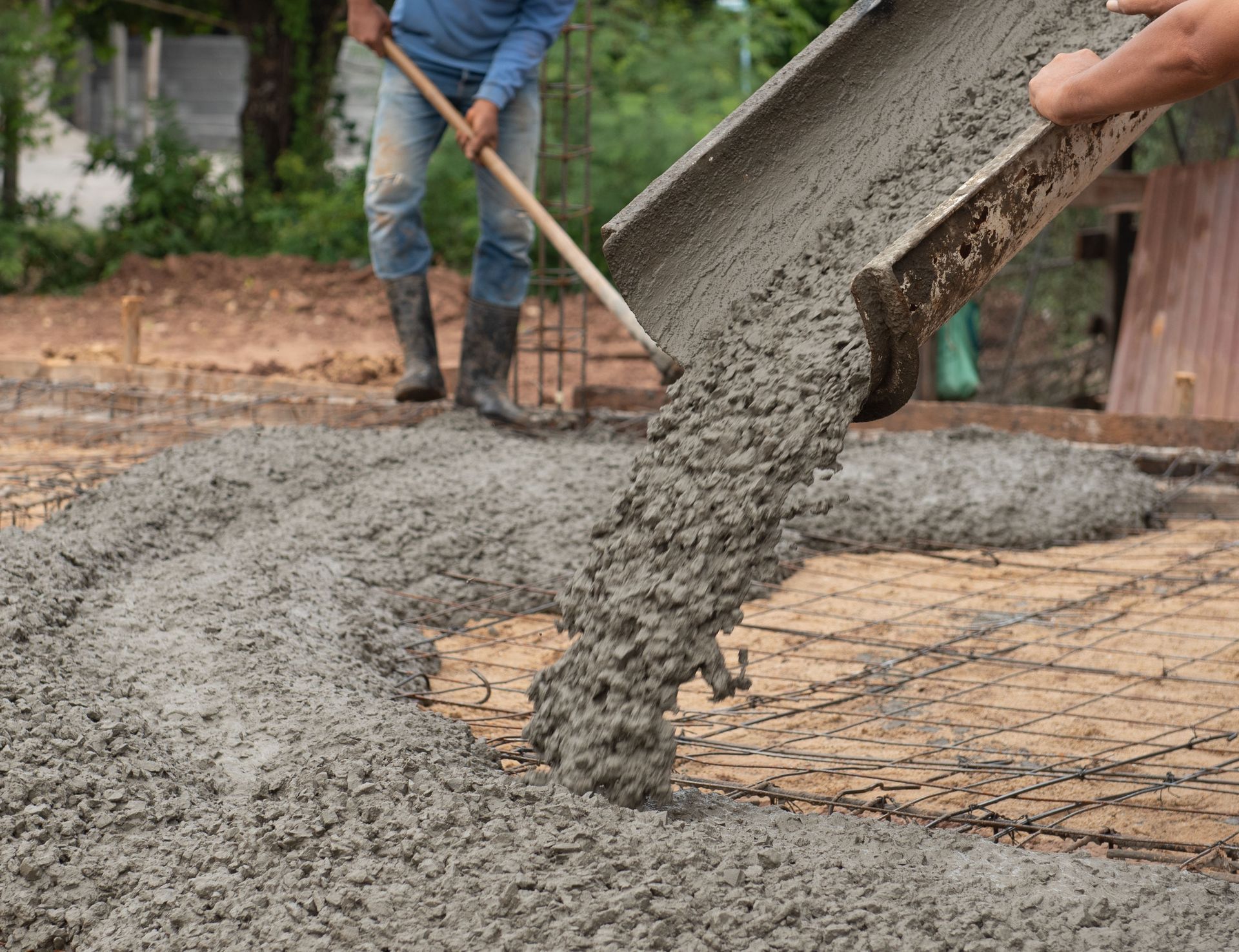
Identifying the specific substances you intend to transport serves as the primary foundational step in this selection journey. Different materials possess distinct densities, which drastically changes the overall weight distribution inside the container during transit. For instance, hauling light landscape mulch requires completely different capacity planning than moving dense river rocks or heavy construction blocks. A local concrete company often encounters this exact issue when shifting bulk raw materials that settle heavily over the vehicle axles. Understanding these physical traits helps buyers pick an option that secures loads without creating unexpected safety hazards on public roadways.
Beyond evaluating your current daily inventory, you must carefully anticipate how your business might expand over the coming fiscal years. Steady business growth frequently brings larger commercial contracts requiring increased carrying capacity, making forward-looking preparation highly advantageous for smart business owners. Planning for these future requirements ensures your equipment acquisition retains its core utility as your entire operation scales upward over time. Consider the diverse materials you might bid on in future quarters to confirm your selection handles more than your present minimum requirements. This strategic foresight prevents you from needing an expensive replacement vehicle too soon.
Assess Project Frequency and Scope
How often you deploy your hauling equipment dictates the necessary level of long-term durability and framework strength required for your tasks. Constant daily use demands a heavy-duty build that successfully withstands rigorous loading cycles and abrasive materials without wearing down prematurely. Conversely, sporadic seasonal use might make a lighter, more economical model a much smarter financial option for your business budget. Evaluating your precise operational rhythm allows you to match financial commitments with realistic utilization targets over the lifespan of the machine. Commercial teams often discover that heavy usage requires premium components to avoid major breakdowns during critical work shifts.
Every distinct project presents unique boundaries and structural demands that determine what equipment configuration works best for your on-site crew. Large commercial contracts require massive carrying capabilities to maintain peak productivity and prevent the waste of constant back-and-forth highway travel. Smaller residential updates are handled easily with a compact setup that fits seamlessly into tighter suburban driveways and alleys. A local concrete company must balance these exact scaling issues when planning material deliveries for varying jobsite sizes every day. Reviewing project timelines, deadlines, and crew sizes helps align trailer features with performance expectations for seamless management.
Review Geographic Location and Terrain
Your primary operating environment and geographic landscape play a definitive role in defining your ideal equipment footprint and structural choices. Navigating tight city streets or cramped residential developments requires excellent maneuverability alongside a highly compact vehicle profile to avoid accidents. Open rural areas offer significantly more space for larger vehicles, though local ground conditions must still support the combined weight of the truck. Rocky pathways or steep mountain inclines require robust suspension systems and high ground clearance to move heavy goods safely. Consulting with a local concrete company about common road challenges provides excellent guidance on managing difficult regional landscapes.
Regional weather variations and seasonal ground changes heavily affect how transport equipment performs under extreme payload pressure on the jobsite. Solid, heavy frames provide superior stability on wet or uneven ground, reducing the dangerous potential for tipping during the offloading process. You should verify that your selected model features a reinforced structure explicitly designed to endure specific climate challenges in your area. Different regions present distinct obstacles, from coastal sand to thick mountain mud, requiring careful equipment matching before purchase. Investigating regional regulations regarding weight limits across local bridges prevents legal issues and ensures continuous business operation.
Compare Standard and Side Options
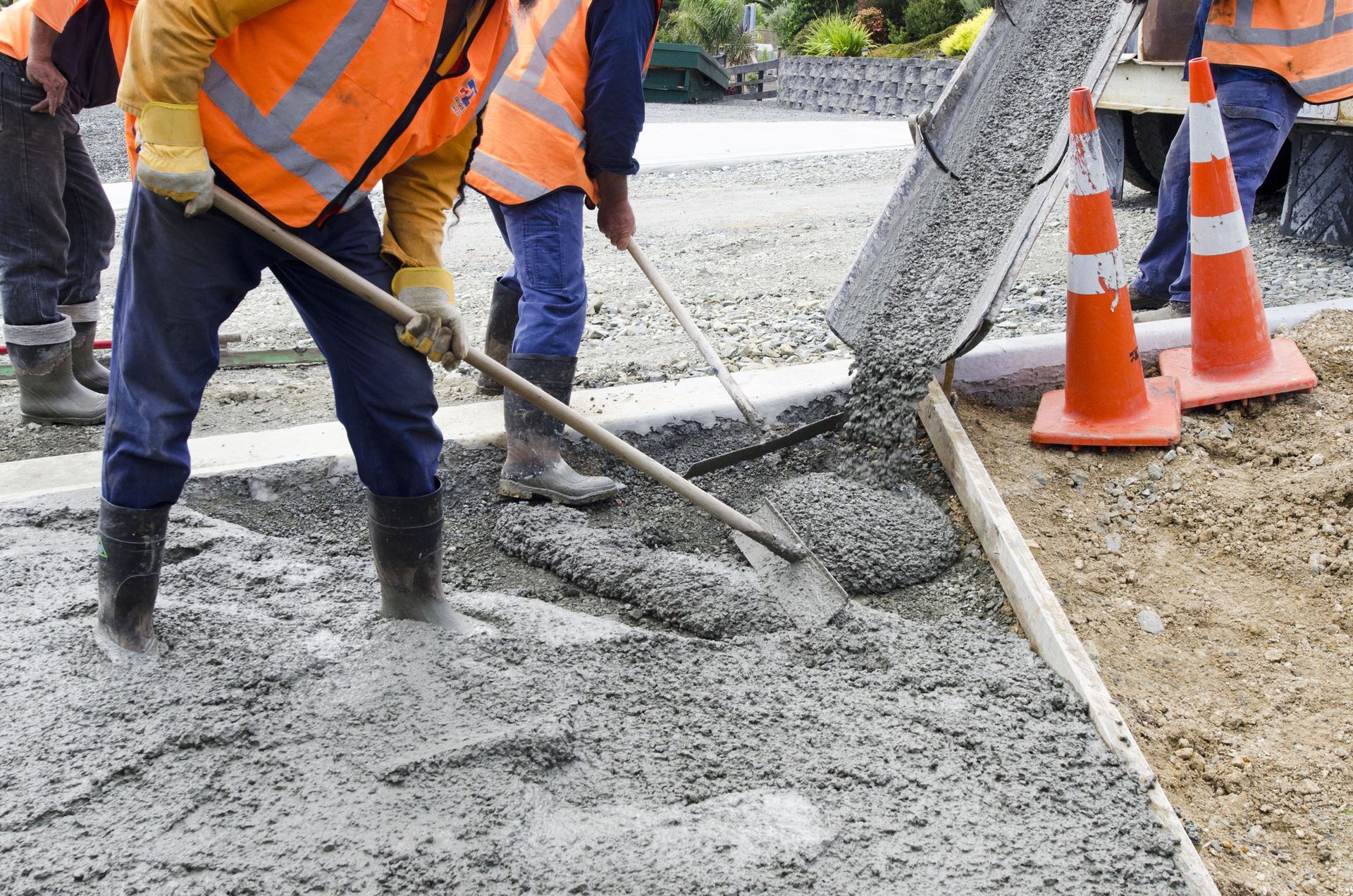
Traditional rear-dumping models remain exceptionally popular because they provide excellent general versatility across basic hauling assignments for various industries. These units feature straightforward mechanical operations that lower ongoing maintenance demands and greatly simplify operator training for new crew members. They work perfectly for moving general debris, loose soil, and landscaping elements across open zones that allow easy backing maneuvers. A local concrete company might utilize these standard configurations when dropping raw materials into wide open excavation zones. Choosing a traditional design provides a highly dependable baseline for your everyday transport and disposal operations.
Side-discharging options provide remarkable flexibility by letting you empty heavy payloads to the left or right, which is useful in restricted corridors. This smart layout completely eliminates the need for complex backing maneuvers in tight alleys, speeding up cycle times while improving safety. Industries handling extensive roadway repairs or linear trench work benefit immensely from this lateral unloading capability on a regular basis. When workspace efficiency and tight turning radiuses become your top priorities, investing in a side-dumping system gives your team a distinct operational edge over standard configurations.
Analyze Gooseneck and Bumper Pulls
Heavy-duty tasks requiring superior highway stability and maximum weight capacities are ideal scenarios for selecting a gooseneck trailer configuration. This connection style utilizes a specialized neck hitch anchoring inside the truck bed, distributing heavy payload weight directly over the vehicle axles. This intelligent design minimizes dangerous trailer sway and enhances driver control when navigating busy highways with substantial, shifting cargo. A local concrete company frequently relies on this secure connection style when moving heavy mixing equipment or large material batches across town. The enhanced safety profile makes it a top choice for demanding commercial applications.
Bumper pull models offer superior compatibility and swift attachment capabilities across a wide array of standard consumer pickup trucks. These popular systems connect directly to the rear hitch, avoiding complex modifications to your truck bed and allowing different crew members to tow easily. This user-friendly setup is perfect for smaller business operations that need to shift equipment quickly between multiple job sites. While they feature lower total weight thresholds than gooseneck models, their sheer convenience and lower initial cost make them an attractive choice for growing teams.
Investigate Hydraulic Lifts and Volume
Integrating automated lift technology elevates your material handling capabilities by removing the strenuous physical labor associated with manual offloading processes. Advanced lifting mechanisms ensure fast, repeatable material discharge, which keeps your commercial projects moving forward without experiencing costly scheduling delays. These systems provide exceptional hydraulic power to lift heavy materials safely, even when working on uneven or muddy terrain. Commercial operators prioritize these automated features to boost daily efficiency and protect their valued workforce from physical exhaustion. Choosing the correct lift mechanism ensures your team handles intensive schedules without experiencing mechanical setbacks.
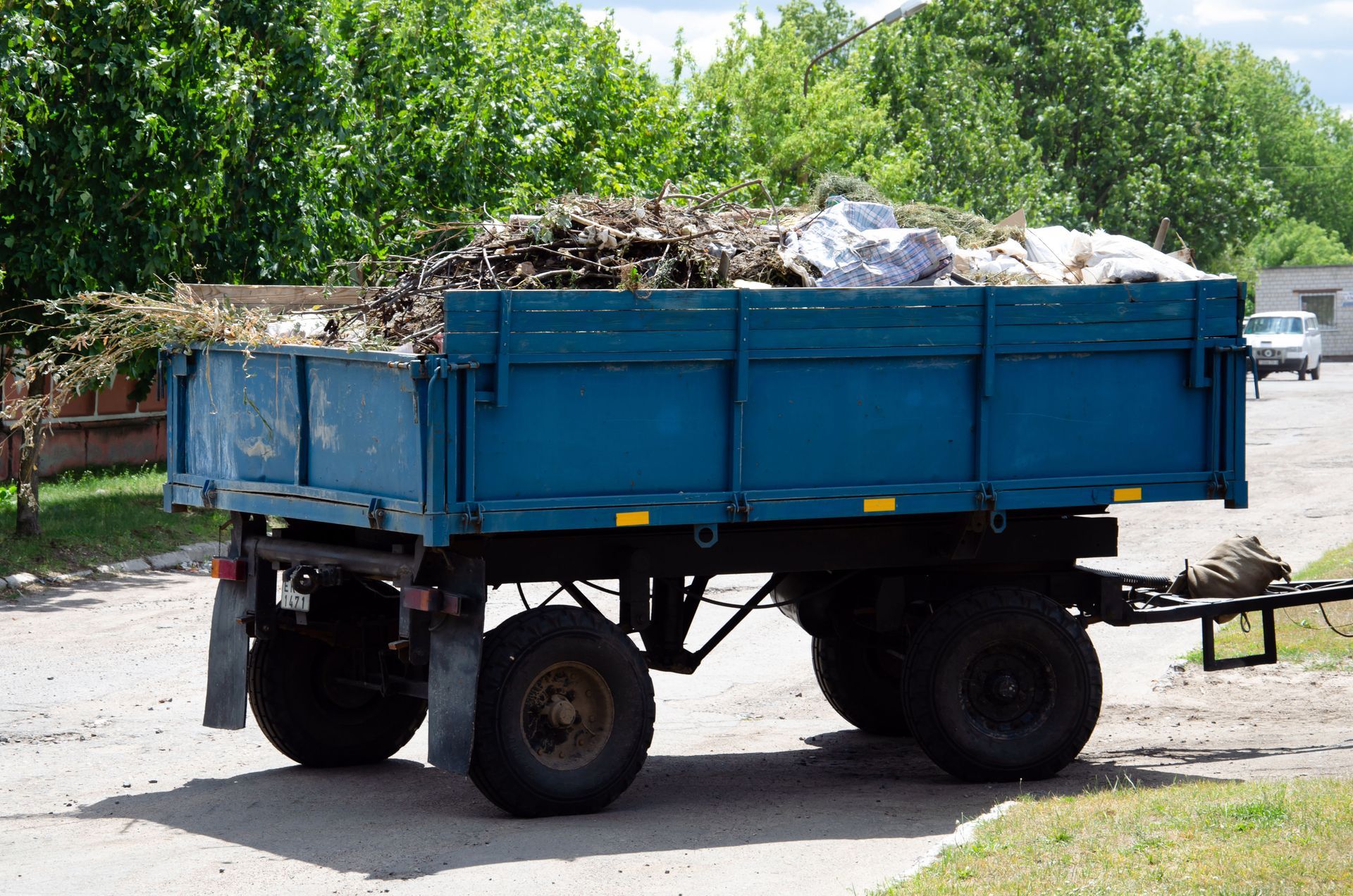
Understanding container dimensions and side constraints is vital for maximizing your payload volume without overfilling the vehicle bed. According to Family Handyman, the majority of utility haulers possess a standard wall height of 24 inches, which directly influences how high you can stack materials safely. A local concrete company must track these structural limits carefully to ensure compliance with road safety laws while maximizing delivery efficiency. Balancing these exact dimensions against average material weight guarantees that you invest in a practical, high-performing transport solution.
Selecting the proper hauling equipment requires a thorough analysis of your daily materials, local landscapes, and long-term business objectives. Balancing your current operational demands with smart futureproofing ensures that your vehicle choice remains a valuable asset for years to come. Working with a local concrete company can give you the operational insights needed to make an informed, confident purchase. When you invest time into analyzing these critical structural factors, your business successfully avoids structural overloads and expensive equipment replacements down the road. Contact us at 911 Concrete Pumping & Services to streamline your next material delivery with expert support.
Share On: