

5 Reasons Ready-Mix Concrete Is the Industry Standard for Modern Builds
Concrete remains a fundamental material in residential, commercial, and infrastructure construction. From foundations and driveways to sidewalks and large structural projects, builders rely on concrete to create durable surfaces and support essential building components. As projects become more complex and construction schedules demand careful coordination, the way concrete is produced, delivered, and placed plays an important role in keeping work on track.
According to Home Grail, global annual concrete production reaches approximately 4.4 billion tons, illustrating the material's significant role in construction worldwide. This extensive use reflects concrete's versatility across projects of different sizes, although the appropriate mix and placement method depend on each project's engineering requirements and site conditions.
For contractors and property developers, ready mix concrete offers a practical way to coordinate material production with delivery and placement. Professionally produced batches can help support consistency, reduce the need for on-site mixing, and simplify planning for projects with specific performance requirements. Understanding these advantages helps explain why this supply method remains a common choice for modern construction.
1. Achieving Greater Consistency Across Concrete Batches
Consistency is essential when concrete must meet specific project requirements. Its performance depends on several factors, including the proportions of cementitious materials, aggregates, water, and any approved admixtures. Variations in these components can affect workability, strength development, and durability, making careful production and quality control important.
Ready mix concrete is produced at a batching facility, where materials can be measured according to an established mix design. Controlled batching helps reduce the variability that may occur when materials are measured under changing conditions at a construction site. The mix design can be selected to meet the project's specifications, including applicable strength requirements and placement considerations.
This controlled process is particularly valuable for projects involving foundations, slabs, retaining structures, and other applications where the concrete must meet defined engineering criteria. Consistent production does not eliminate the need for testing or proper placement, but it provides a more controlled starting point for achieving the intended results.
Contractors also benefit from knowing that the delivered material is intended to meet an agreed specification. Clear communication about the required mix, delivery schedule, site access, and placement plan helps everyone coordinate their responsibilities. When concrete supply and placement are organized in advance, crews can focus on the work rather than unnecessary adjustments to material preparation.
2. Improving Construction Scheduling and Efficiency
Construction schedules depend on coordination between materials, equipment, labor, and site readiness. Delays in one area can affect several other activities, particularly when a project requires a continuous placement operation. Having concrete produced and delivered according to a planned schedule can help contractors organize these moving parts more effectively.
With ready mix concrete, production takes place at a dedicated facility before the material arrives at the job site. This reduces the need for crews to prepare individual batches on location and can make it easier to coordinate concrete placement with other construction activities. The approach is useful for projects that require substantial volumes or have limited space for storing and handling raw materials.
Scheduling remains especially important for larger pours. Concrete must be placed and finished within an appropriate timeframe, taking into account the mix design, weather, transportation, and site conditions. Coordinating deliveries with the placement crew helps reduce the risk of interruptions that could complicate finishing or affect the quality of the completed work.
Seasonal conditions can make planning even more important. In regions with cold winters, including areas where freezing temperatures and snow affect construction schedules, contractors must account for weather-related placement requirements. Hot weather can also influence setting and moisture loss. A well-coordinated supply plan allows the project team to consider these factors when arranging delivery and placement.
3. Reducing On-Site Material Handling and Waste
Construction sites often have limited space for equipment, material storage, vehicle movement, and worker access. Managing these areas efficiently can help maintain a safer and more organized work environment. Concrete supplied from an off-site batching facility can reduce the need to store and measure large quantities of individual ingredients at the project location.
Ready mix concrete arrives prepared for its intended application, subject to the specifications and conditions agreed upon for the order. This can reduce the amount of material handling required on-site and limit the need for mixing equipment and dedicated storage areas. For urban projects, renovations, and sites with restricted access, these considerations can influence how efficiently the work can proceed.
Accurate ordering is also important for managing waste. Estimating the required volume based on project dimensions and specifications helps contractors plan deliveries more effectively. Underordering may interrupt placement, while ordering too much can leave surplus material that requires appropriate handling and disposal.
Professional coordination between the contractor, supplier, and placement team helps address these concerns. Project requirements, access restrictions, delivery timing, and the anticipated volume should be communicated before work begins. Although actual site conditions may change, planning ahead can help reduce avoidable material loss and improve overall jobsite organization.
4. Supporting a Wide Range of Construction Applications
Concrete is used across many types of construction because its properties can be suited to different structural and functional requirements. Residential projects may involve footings, foundations, garage floors, patios, and driveways. Commercial construction may require floor slabs, loading areas, sidewalks, or structural components designed to accommodate specific loads and conditions.
Ready mix concrete can be produced in different formulations to meet project specifications. The appropriate design depends on factors such as required compressive strength, exposure conditions, reinforcement, placement method, and finishing needs. A mix intended for one application should not automatically be assumed suitable for another.
This flexibility allows contractors to coordinate material requirements with the design and purpose of the structure. For example, a concrete placement exposed to freeze-thaw cycles may require specific durability provisions, while a heavily loaded slab may have different engineering requirements. The project engineer and other qualified professionals determine the specifications appropriate for the intended application.
Delivery and placement methods also influence project planning. Some sites provide straightforward access for delivery vehicles, while others require specialized equipment to move concrete to the placement area. Reviewing the site layout and anticipated placement volume early helps contractors select suitable methods and coordinate the necessary resources.
The ability to match concrete production and delivery with project needs makes this approach practical for many construction environments. Successful results still depend on proper design, transportation, placement, curing, and quality control, but a coordinated supply process supports these essential steps.
5. Improving Placement Through Professional Concrete Pumping
Delivering concrete to a construction site is only one part of the process. The material must also reach the intended placement area efficiently, which can be challenging when the pour is elevated, distant from vehicle access, or located behind obstacles. Concrete pumping provides a solution for moving material through specialized equipment and hoses to the required location.
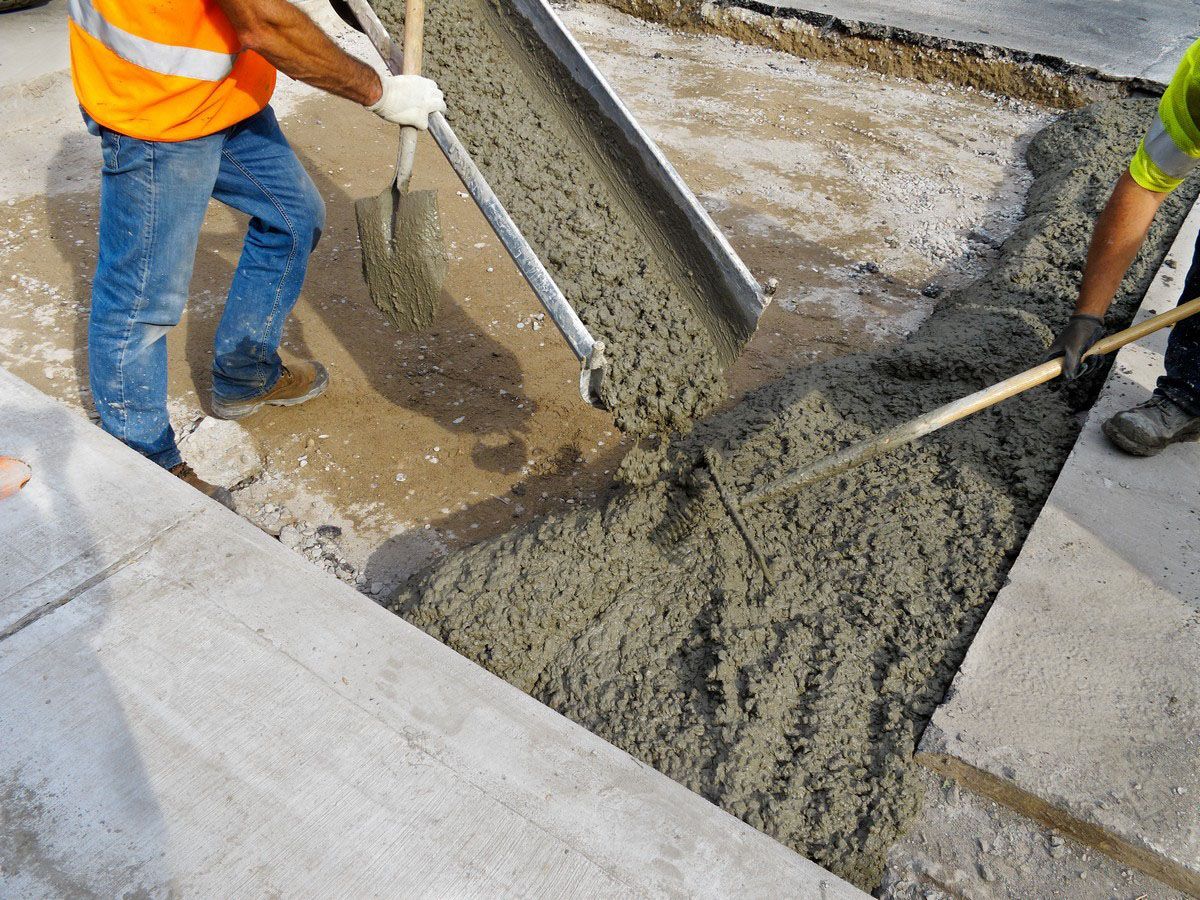
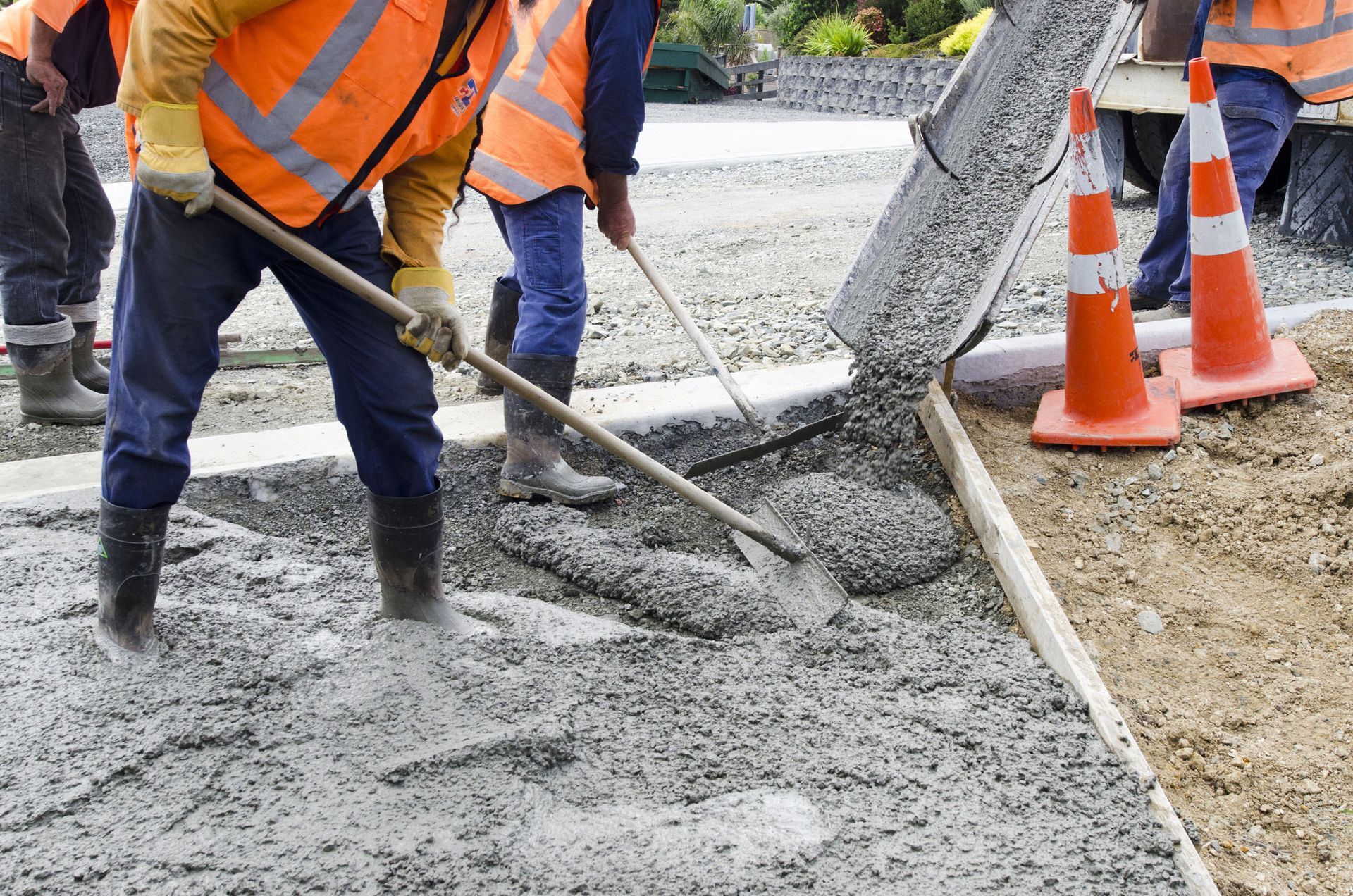
Professional concrete pumping can be particularly useful for foundations, elevated slabs, retaining walls, and projects with restricted access. Instead of relying solely on direct discharge from a delivery vehicle, the construction team can use pumping equipment to place concrete in areas that would otherwise be difficult to reach. The appropriate setup depends on the site layout, concrete specifications, required reach, and volume of the pour.
Coordinating concrete delivery, pumping equipment, and crew availability helps projects run efficiently. Professional pumping services address challenging site access, elevation, and placement needs. Planning ahead supports appropriate equipment selection, effective scheduling, and better coordination throughout the concrete placement process.
Working with experienced concrete supply and pumping professionals can help construction teams coordinate the practical details involved in a pour. Clear communication about the site, project schedule, concrete requirements, and placement needs makes it easier to identify potential challenges before work begins. It also helps ensure that everyone understands the plan and their role in carrying it out.
For projects of different sizes, a coordinated approach to concrete delivery and placement can support consistent work practices, efficient scheduling, and effective use of resources. These considerations help explain why professionally batched concrete remains a widely used option across modern construction.
Whether you are planning a foundation, a commercial slab, or another concrete project, 911 Concrete Pumping & Services can help coordinate concrete pumping for your placement needs. Contact 911 Concrete Pumping & Services to discuss your project requirements and schedule professional service.



Share On: